Introduction
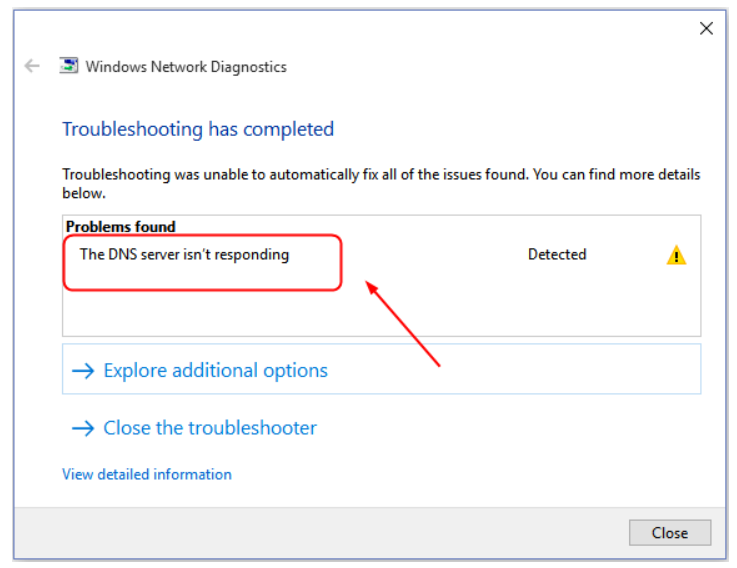
Sometimes, you may suddenly lose Internet access and see an error message such as:
- “The DNS server isn’t responding.”
- “Your computer appears to be correctly configured, but the device or resource (DNS server) is not responding.”
This issue usually occurs when your system cannot communicate with the DNS (Domain Name System) server. Since DNS is responsible for translating website names into IP addresses, any DNS-related issue can prevent websites from loading in your browser.
Fortunately, this problem can often be fixed using a few simple troubleshooting methods.
Prerequisites
Before starting the troubleshooting process, ensure the following:
- A Windows system (Windows 7/8/10/11)
- Administrator access to the computer
- Ethernet or Wi-Fi connection available
- Modem/router powered on properly
- Basic command prompt knowledge
Why Does the “DNS Server Not Responding” Error Occur?
A DNS server translates website names into IP addresses so your browser can connect to websites.
For example:
- Website:
www.example.com - Converted into an IP address by DNS
If the DNS server fails to respond, your system cannot locate websites even though the Internet connection may still be active.
Common causes include:
- Incorrect DNS configuration
- Corrupted DNS cache
- Network adapter driver issues
- Router or modem problems
- ISP DNS server failure
Solution 1: Correct Your DNS Server Address
An incorrect DNS configuration may cause this issue.
Steps
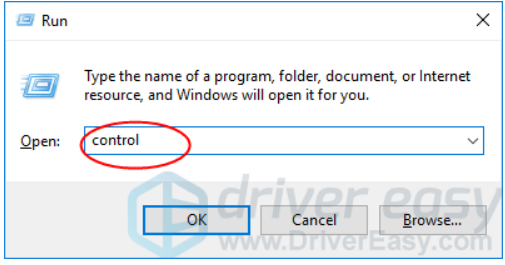
- Press
Windows + Rto open the Run dialog box. - Type:
control
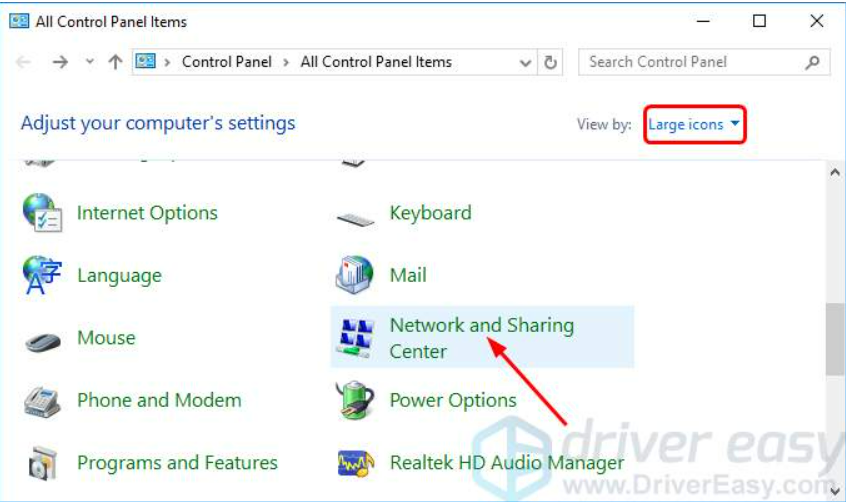
- Open Network and Sharing Center.
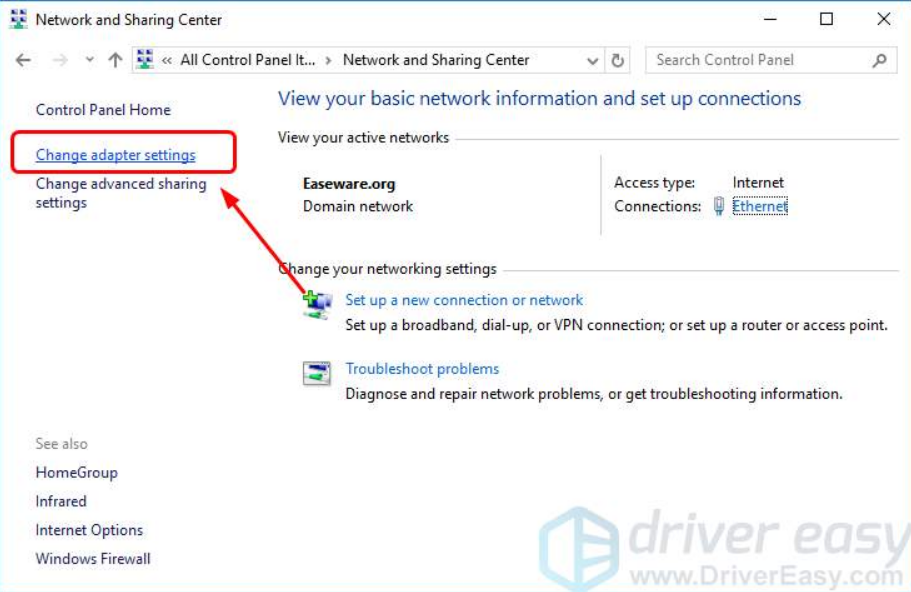
- Click Change adapter settings.
- Right-click your active network connection:
- EthernetWi-FiLocal Area Connection
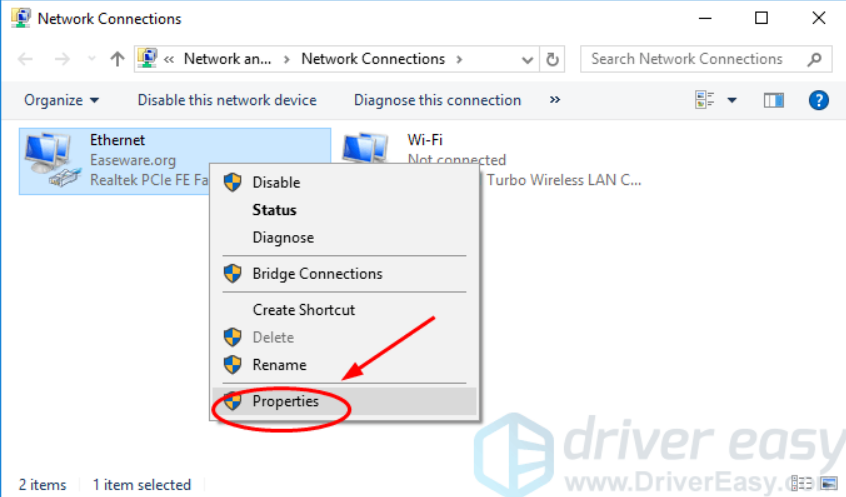
- Select:
Internet Protocol Version 4 (TCP/IPv4)
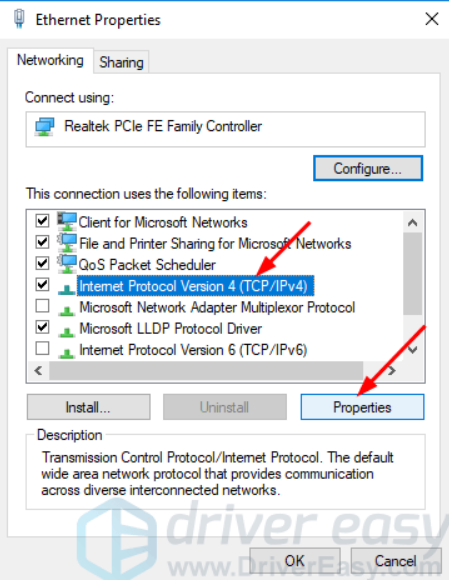
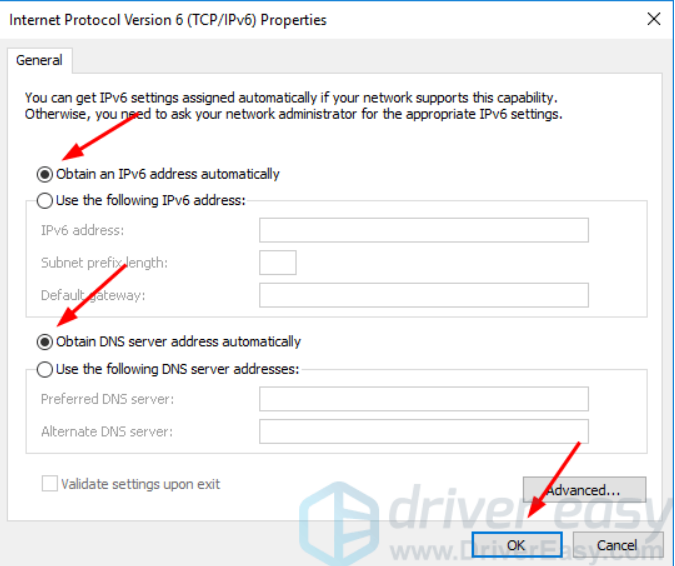
- Enable:
- Obtain an IP address automatically
- Obtain DNS server address automatically
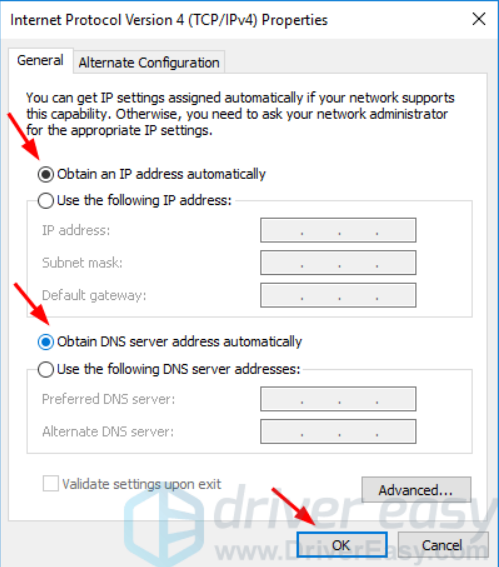
- Click OK.
- Repeat the same steps for:
Internet Protocol Version 6 (TCP/IPv6)
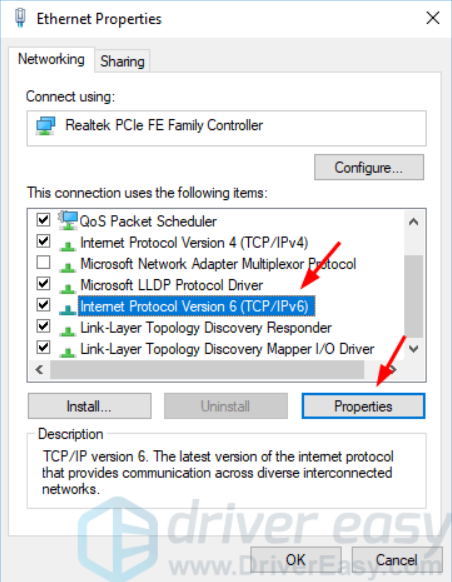
- Restart your computer and test the connection again.
Solution 2: Clear DNS Cache and Reset IP
Clearing corrupted DNS cache and resetting network settings can resolve the issue.
Steps
- Open the Start menu and search for:
cmd
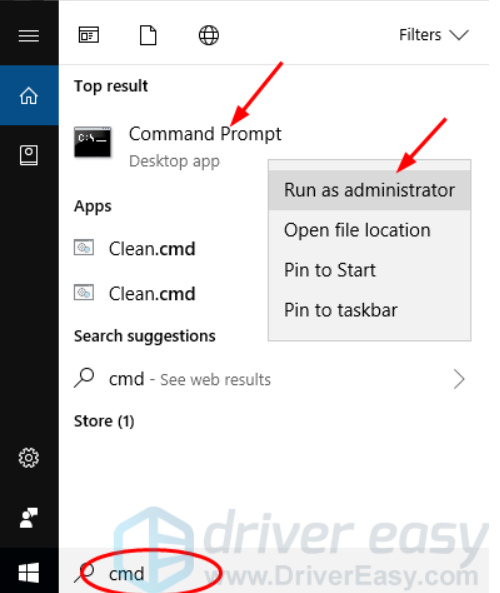
- Right-click Command Prompt and choose:
Run as administrator
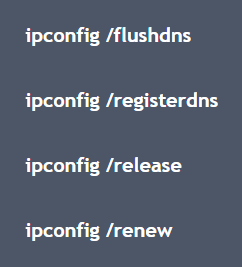
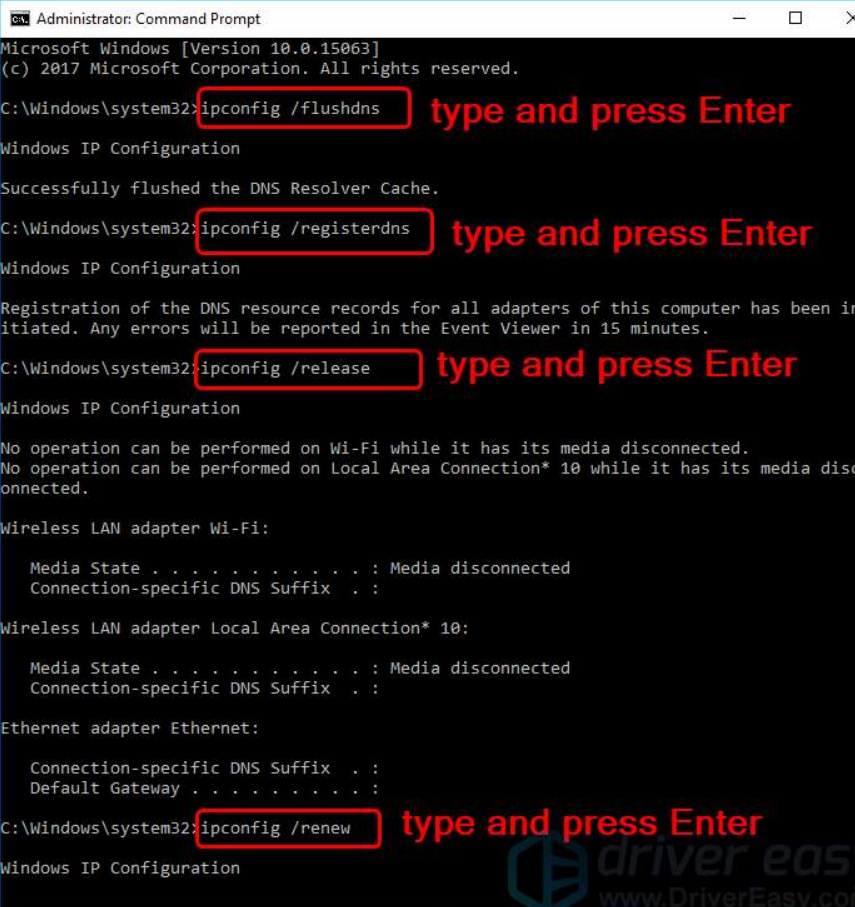
- Execute the following commands one by one:
ipconfig /flushdns
ipconfig /registerdns
ipconfig /release
ipconfig /renew
netsh winsock reset
- Restart your computer.
- Try accessing websites again.
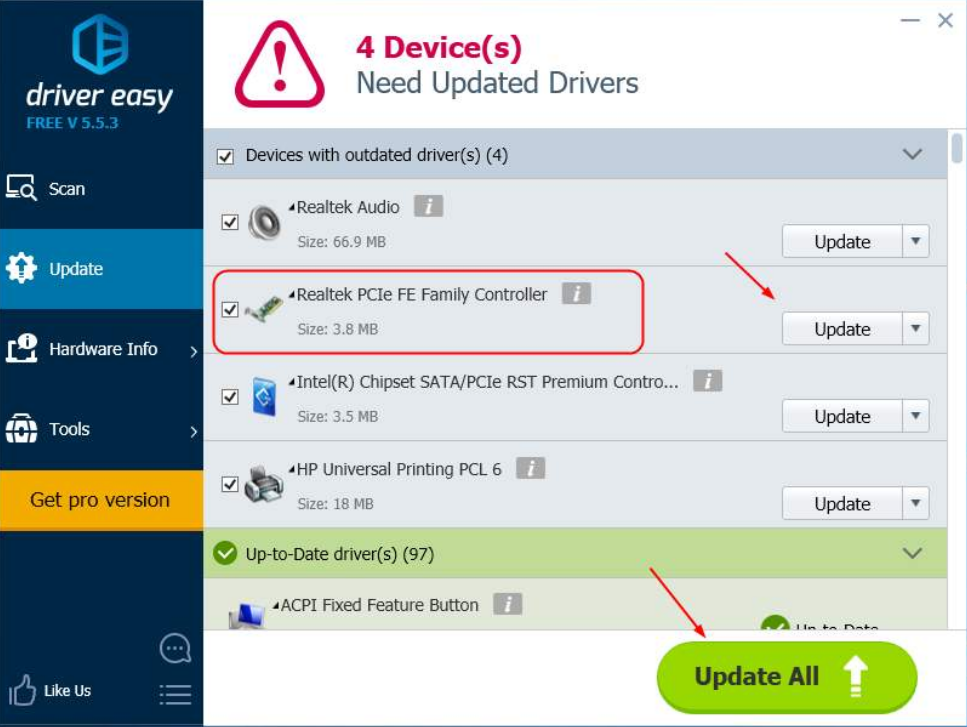
Solution 3: Update the Network Adapter Driver
Outdated or corrupted network drivers can also cause DNS issues.
Steps
- Open Device Manager.
- Expand:
Network adapters

- Right-click your network adapter.
- Select:
Update driver
- Choose:
Search automatically for drivers
- Install available updates and restart the system.
You can also use third-party tools such as:
- Driver Easy
to automatically detect and update outdated drivers.
Solution 4: Restart Your Modem and Router
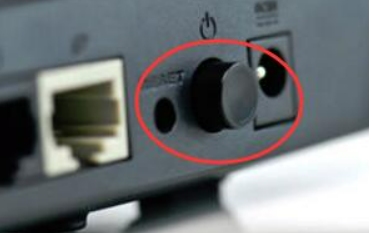
Temporary router or modem issues can stop DNS services from responding.
Steps
- Turn off the modem/router using the power button.
- Wait for about 30 seconds.
- Power it back on.
- Wait until all network lights become stable.
- Check if websites are accessible again.
Bonus Tip: Try Using Public DNS Servers
If your ISP DNS server is failing, you can manually use public DNS servers.
Popular DNS providers include:
Google Public DNS
8.8.8.8
8.8.4.4
Cloudflare DNS
1.1.1.1
1.0.0.1
You can configure these under:
TCP/IPv4 Properties → Use the following DNS server addresses
Conclusion
The “DNS Server Not Responding” error is a common network issue in Windows systems. It is usually caused by DNS configuration problems, corrupted cache, outdated drivers, or router issues.
By following the troubleshooting methods below, you can resolve the issue effectively:
- Correct DNS settings
- Flush DNS cache
- Reset IP configuration
- Update network drivers
- Restart modem/router
- Use public DNS servers
These steps help restore Internet connectivity and ensure stable website access on your Windows system.